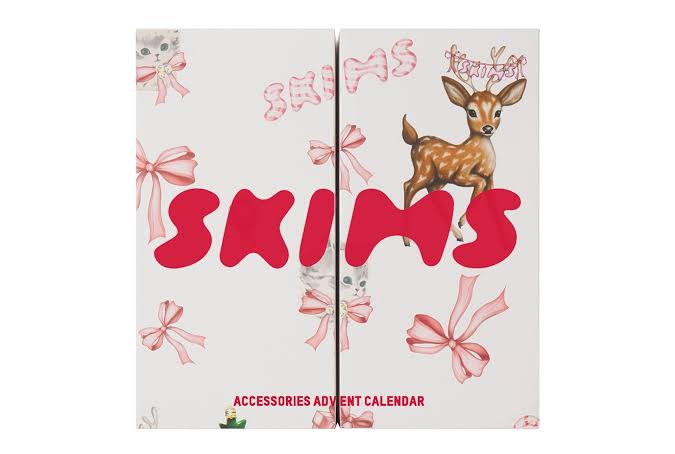
For $148, SKIMS promised customers twelve days of holiday surprises. What they got was an assortment of hair ties, bobby pins, keychains and a few other accessories that social media users joked could be found between their couch cushions. One TikTok unboxing video reached nearly 65 million views, and suddenly the brand’s holiday offering was making headlines for all the wrong reasons. To be fair, SKIMS advertised it as an accessories calendar, and the product description disclosed the types of items included. The problem was less about misleading advertising and more about understanding its audience. SKIMS had built a multibillion-dollar brand around desirable clothing and shapewear. Customers were expecting that same experience in a holiday calendar. Putting a recognizable logo on everyday items wasn’t enough to convince them that those items were worth a luxury price.

SKIMS could have easily taken a defensive approach and pointed customers back to the original product description. Instead, the company acknowledged the disappointment and contacted customers directly, offering a full refund if they returned it or $150 in store credit if they kept it. SKIMS also said customer feedback would influence future product releases. What I find interesting about the response is that the company didn’t simply issue an apology and move on. It gave customers a choice and an opportunity to continue their relationship with the brand. Of course, the store credit option also served a business purpose by encouraging customers to return to SKIMS. Some questioned whether the entire controversy was an intentional publicity stunt, although there is no evidence to support that theory. Sometimes a bad idea is just a bad idea.
The irony is that the refund announcement generated a second wave of discussion that exceeded the initial peak. According to Graphika, negative posts from shoppers and independent creators dropped by approximately 61% following the announcement, while media coverage increased. The conversation was shifting from dissatisfied customers sharing their experiences to news outlets reporting on the controversy and the company’s response. Had SKIMS measured its PR success solely by the volume of negative coverage, it might have reached a very different conclusion about whether its response was working. While fewer complaints don’t necessarily mean customers have regained their trust in the brand, the controversy appears to have remained largely focused on the calendar rather than spreading to its other products. The real test will be whether those customers are willing to spend another $148 of their own money with SKIMS. Until then, at least they’re well stocked on bobby pins.
#SKIMS #PublicRelations #CrisisCommunications #BrandReputation #MediaRelations #PRStrategy #ConsumerPerception #AdventCalendar #NoComment


Leave a Reply