
Lovesac mocked a customer’s frustration, only to become the punchline itself.
Lovesac is a furniture company known for its modular sectionals, called Sactionals. The seats, sides, and fabric covers arrive separately, leaving customers to put everything together themselves.
When comedian Deric Cahill ordered one of these sectionals, which he said cost around $8,000, he ended up with 24 boxes and nearly five hours of assembly ahead of him. Wearing gardening gloves, he turned the experience into a funny video for his followers. His frustration was real, but as a comedian, he was also making content out of the situation.
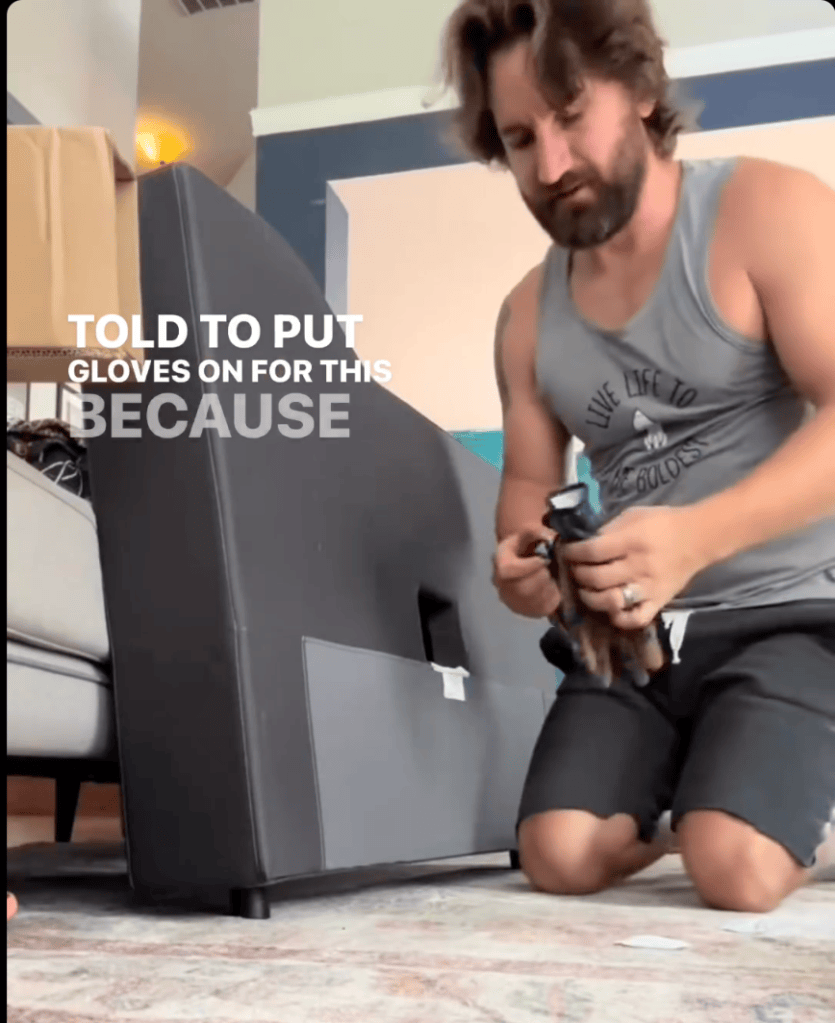
Instead of laughing along, Lovesac took aim at his gardening gloves and followed up with another video that seemed to mock him rather than address the issues. Customers weren’t amused, and even Wendy’s joined the conversation. As Inc. reported, the company’s response quickly became the central focus of the story.
The backlash brought out plenty of customers with similar experiences, including some who said they’d never buy from Lovesac again. What could have been an opportunity to acknowledge a common frustration turned into a flood of negative stories about the company. Lovesac eventually apologized and admitted that customers had been raising concerns about assembly for years. According to a Babson College analysis, daily social media mentions of Lovesac jumped nearly 700%, while the percentage of negative comments expressing anger increased 320%. That’s a lot of unwanted attention, especially when customers were offering the company valuable feedback without even being asked.

Meanwhile, Cahill managed to turn the whole experience into something positive. He organized a couch giveaway that attracted more than 235,000 entries and announced nine winners. What I find most interesting is that the controversy received far more attention than Lovesac’s eventual apology. The company had an opportunity to learn from its customers and turn the experience into something positive, but instead spent valuable time defending its response. Good public relations starts with knowing your audience and understanding what matters to them (Schechter, 2023). Cahill connected with people because his experience was genuine and relatable. Lovesac had the same audience telling them exactly what needed improvement, but seemed to miss the message entirely.
#PublicRelations #Lovesac #BrandReputation #CustomerExperience #NoComment


Leave a Reply